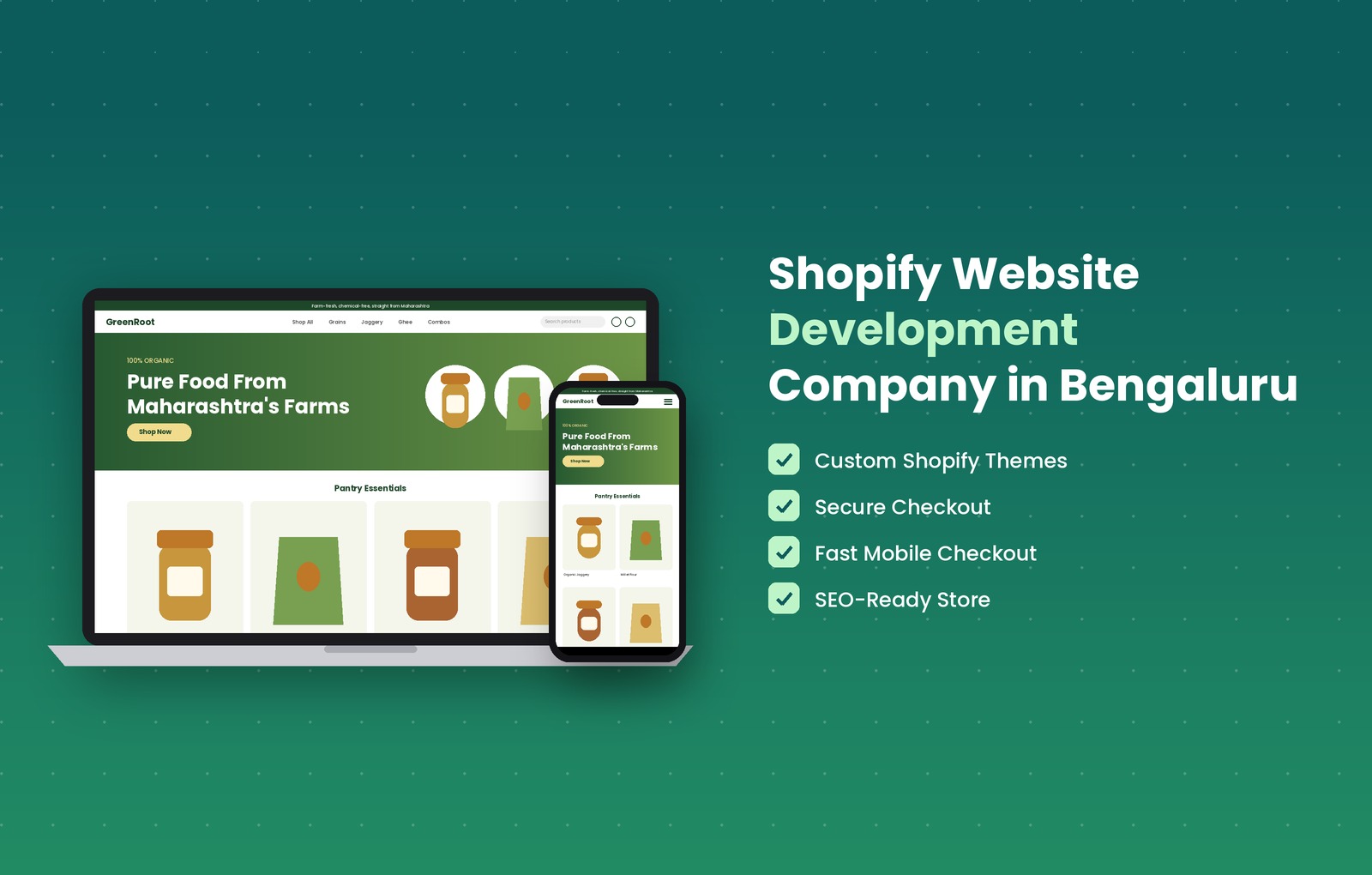
India’s online retail market just closed one of its strongest years, and Bengaluru’s brands are a big part of that story.
According to How India Shops Online 2026, a report by Bain & Company and Flipkart, Indian e-retail reached a gross merchandise value of about $65–66 billion in 2025, growing 19–21% year-on-year.
The shopper base behind that number has doubled in five years to nearly 300 million annual online shoppers. Over the same period, the seller ecosystem tripled, with growth led increasingly by Tier 2+ towns and Gen Z buyers.
Speed is reshaping expectations too. Quick commerce now carries 16–17% of India’s e-commerce GMV, ahead of most global markets, including China. A customer who gets groceries in 10 minutes won’t wait 10 seconds for your product page to load.
Payments are no longer a barrier. UPI processed 24,162 crore transactions worth ₹314 lakh crore in FY 2025–26, and December 2025 set the all-time monthly record at 2,163 crore transactions.
Bengaluru sits right in the middle of this shift. City D2C brands have raised about $3.4 billion across 342 deals between 2015 and early 2026, second only to Delhi NCR.
The wider ecosystem is even larger. Bengaluru startups drew about $4.6 billion across nearly 300 deals in 2025, close to 45% of India’s total startup funding, and the city is home to more than 2,000 funded startups.
Momentum carried into 2026, with Bengaluru raising $2.7 billion across 165 deals in H1 2026, more than half of India’s total and up 15% in deal count year-on-year.
Bengaluru remains the epicentre of technology and product innovation in Indian D2C, regaining its edge in 2025 as the industry pivoted towards AI-led retail and quick commerce. New brands launch from Koramangala, HSR Layout and Indiranagar, while silk traders in Chickpet and retailers on Commercial Street move online.
India is also the world’s second most-funded D2C market after the United States, with Indian D2C startups raising more than $14.9 billion since 2015.
Almost every one of those nearly 300 million shoppers discovers products online first. If your Bengaluru business doesn’t have a fast, trustworthy online store, you’re handing those customers to a marketplace or a competitor who does.
At Sparkloom Digital, we build Shopify stores for Bengaluru-based D2C brands, local retailers and manufacturers who want to sell directly to customers across India and abroad.
Our Shopify Development Service in Bengaluru
We don’t build generic online stores and hope they work for Bengaluru’s mix of D2C startups, traditional retailers and manufacturers. Every Shopify store we build is designed around how your business actually sells.
Custom Shopify Design
Every Shopify store we design is built around your brand, not pulled from the same free theme your competitors use.
A Mysore silk saree label from Chickpet, a Koramangala coffee brand and an electronics accessories maker in Peenya all need to build trust in different ways. Our designs are built around your specific customer.
Store Setup & Product Catalogue
Bengaluru businesses sell a genuinely varied range, from Mysore silk and Coorg coffee to wellness products, tech accessories and industrial components.
We set up collections, product variants, filters and metafields around your catalogue. Your team can add a new product, launch a Dasara collection or update prices without touching code.
Shopify Store Redesign & Migration
Running an outdated Shopify store, or stuck on WooCommerce, Wix or a custom-coded site? We rebuild it from the ground up.
Your products, customers, order history and SEO rankings stay intact. We rebuild the design, speed and checkout so your store reflects the quality your customers expect.
Shopify Store Maintenance
With Dasara, Varamahalakshmi and Deepavali bringing sharp spikes in orders, your store has to hold up under concentrated festive traffic. We handle app updates, theme fixes, uptime monitoring and performance checks continuously.
Custom App & Function Development
Need a pincode serviceability checker, a coffee subscription with grind preferences, a product finder quiz, a build-your-own gift hamper, or wholesale pricing for B2B buyers? Standard apps rarely handle this kind of specific logic well.
We build custom Shopify functionality with clean code, tailored to how your products and pricing actually work.
Business Integrations
Your store should connect to the systems you already use. Shopify Payments isn’t available in India, so we integrate trusted gateways such as Razorpay, Cashfree and PayU, along with Shiprocket or Delhivery, Zoho Books or Tally, and WhatsApp Business.
An order placed on your store should land directly in your inventory, shipping and accounting systems, not in a spreadsheet someone updates at night.
Automation
Manual follow-ups cost sales, especially with cash-on-delivery orders that need confirming before dispatch. We set up automated COD verification, abandoned cart reminders, GST invoices and shipping updates, so no order sits untouched.
Why Choose Us for Shopify Website Development?
We’ve spent 8 years building websites, with real, hands-on experience working alongside D2C brands, retailers and manufacturers.
1. Fast-Loading Stores
Shopify stores are almost always image-heavy, from product photos and lifestyle shots to festive banners and reels. We build on Shopify’s Online Store 2.0 framework with a lightweight theme, optimised images and only a handful of carefully chosen apps.
That keeps your store fast and stable, even during Deepavali sales when traffic peaks.
2. SEO-Friendly Stores
We’ve been doing SEO since 2018, and that experience goes into every store we build. With Indian e-retail growing 19–21% in 2025, ranking on Google for your product searches matters more than ever.
Clean code, proper heading structure, schema markup and keyword-focused collection pages are built in from day one.
3. Mobile-First Design
Most of India’s nearly 300 million online shoppers browse and buy on their phones. Every store we build is designed mobile-first, then scaled up for tablet and desktop.
4. 8 Years of Experience
We’ve been building websites since 2016. That’s 8 years spent learning what actually drives orders and repeat customers, not just what looks good in a portfolio.
5. Secure Checkout & Infrastructure
Online orders involve personal details, addresses and payments. Security has to be built into the foundation.
We set up trusted payment gateways, two-factor authentication (2FA) for staff accounts, role-based access and regular app audits on every project.
6. 24/7 Support
Your customers shop at midnight, on Sundays and during festival rush. Our support runs around the clock, so a broken checkout never waits until Monday.
7. Trusted by D2C & Retail Brands
We’ve worked with a wide range of D2C, retail and manufacturing clients, which means we understand the specific needs of Bengaluru’s fashion, coffee, wellness and tech-accessory brands.
8. Built for Bengaluru’s D2C Market
Bengaluru brands have raised about $3.4 billion across 342 deals, and the city drew more than half of India’s startup funding in H1 2026. We build stores designed to help your brand stand out in that market.
Things You Must Have on Your Shopify Store
A Shopify store serving Bengaluru and Indian shoppers needs specific elements that generic online stores often miss.
Beautiful Design: Your store is often a customer’s first meeting with your brand. Your design needs to build instant trust and reflect the quality of your products.
Every Payment Option: Indian shoppers expect UPI, cards, net banking, wallets and cash on delivery. Your checkout should offer all of them, with a gateway that settles payments to your bank quickly.
Better UX: Shoppers comparing products need clear sizes, prices, delivery dates and return policies. Not a cluttered page they have to scroll through twice.
Fast Speed: In a market where quick commerce delivers in minutes, slow pages push shoppers away before they even see your offer.
Simplified Backend: Your team needs to add products, update stock and run festive discounts without calling a developer every time.
Ads & SEO Friendliness: Your store’s structure, speed and tracking pixels directly affect how well your Google and Meta ads convert. They also decide whether you rank organically.
Trust & Review Section: First-time buyers need visible proof that your products are worth it. Photo reviews, ratings and clear return policies reduce hesitation fast.
Dedicated Collection Pages: Festive collections, bestsellers, gift hampers and new arrivals each deserve their own page with clear filters and details.
Order & Message Automation: Automated order confirmations, COD verification and shipping updates on WhatsApp reduce manual work and fake orders, and keep customers informed.
Our Previous Works
We have worked for many e-commerce and D2C businesses in the past; here we have mentioned a few of those.
Ehpic – Custom Photo Magnets
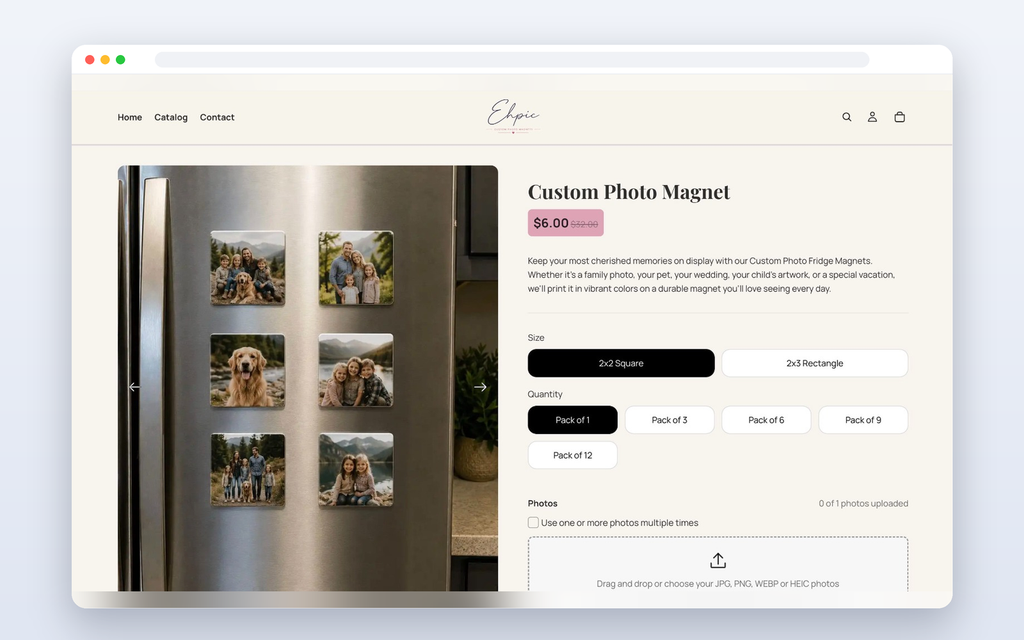
Developed: In 2025
Journal Person
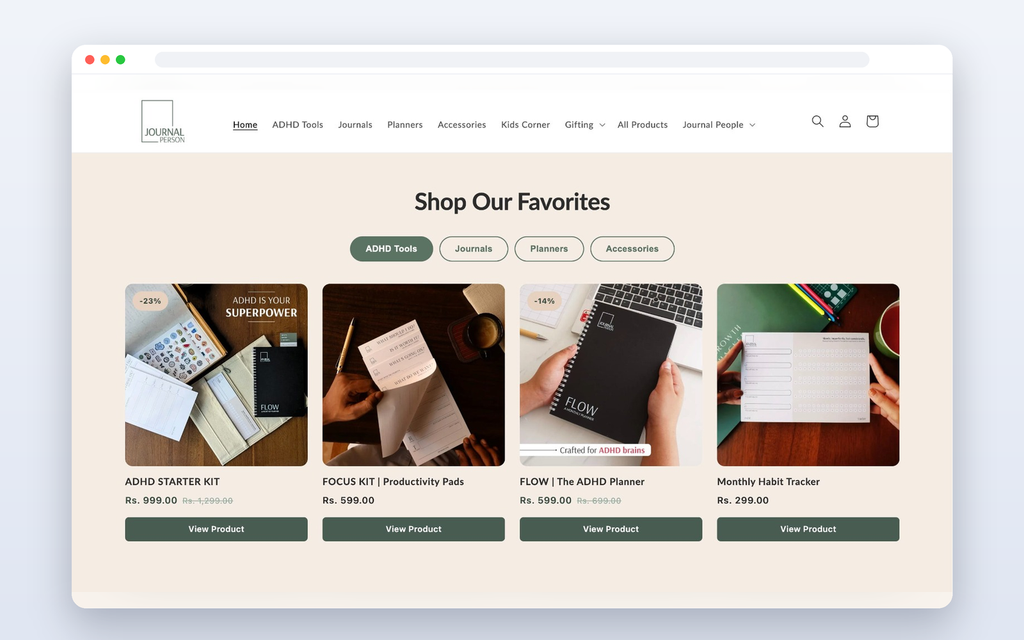
Developed: In 2026
Flycase
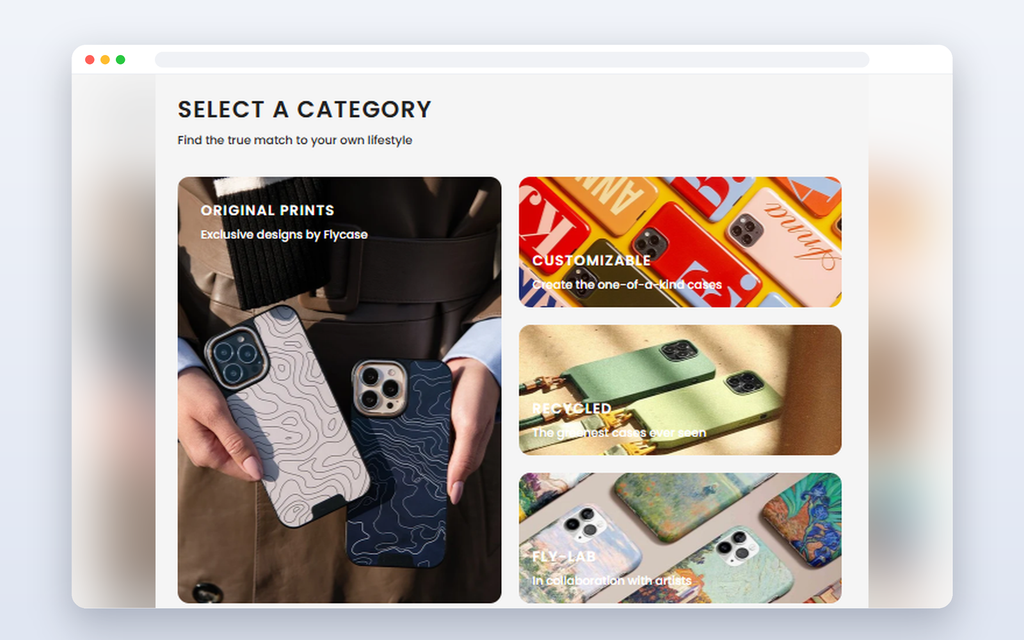
Developed: In 2026
Electronics Store
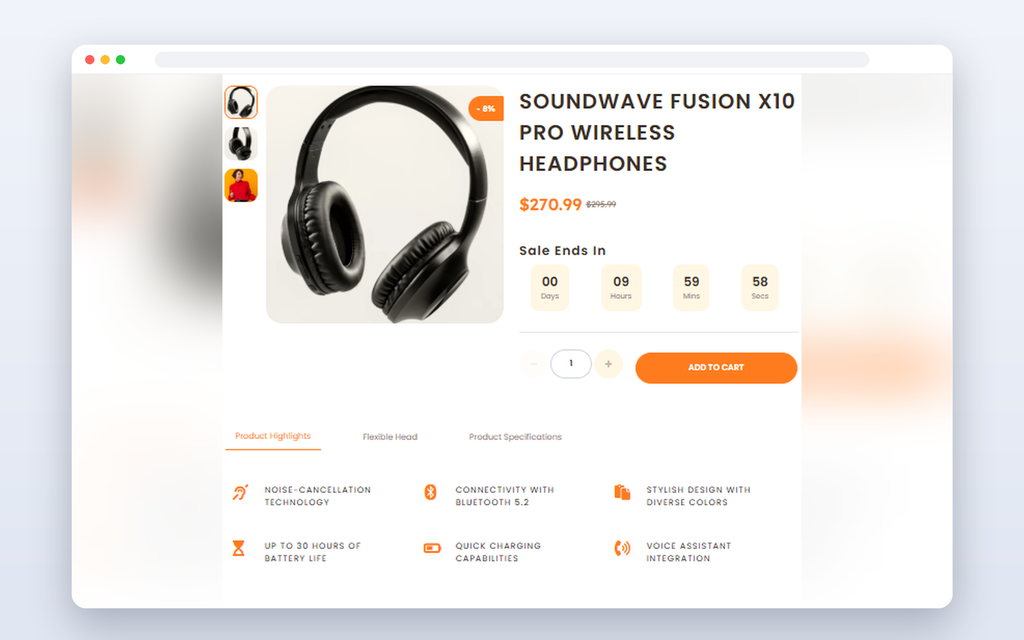
Developed: In 2026
Menswear Store
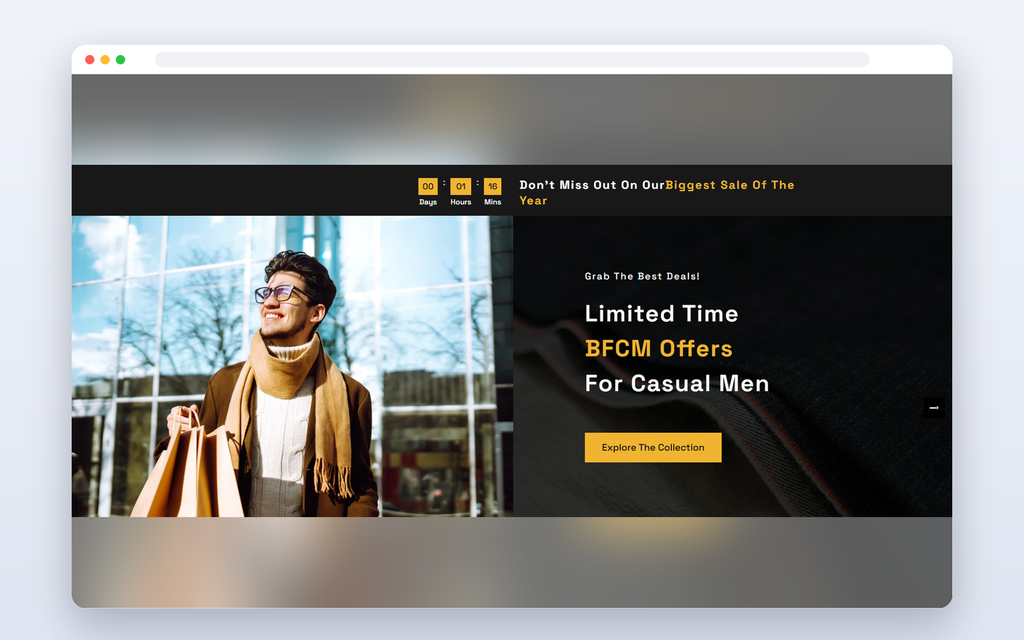
Developed: In 2026
Why Do You Need A Shopify Website for Your Business in Bengaluru?
Bengaluru’s D2C brands have raised about $3.4 billion, and the number of online shoppers has doubled to nearly 300 million in five years. Customers are clearly ready to buy directly from brands.
If a shopper in Chennai finds your product on Instagram, or a customer in Whitefield searches for your brand on Google, your online store is where that interest turns into an order. If the store is slow, outdated or missing, you don’t get considered. You get skipped in favour of a competitor who shows up first.
A well-built Shopify store puts your business directly in front of that growing demand, on your own terms. You own your customer data, build repeat buyers and keep the margin you’d otherwise pay as marketplace commission on every sale.
Cost of A Shopify Website in Bengaluru
Shopify website projects with Sparkloom Digital start from $1,000 USD.
That’s a starting point, not a fixed number. Every online business is different, and pricing depends on your actual requirements.
Factors that affect the final cost include:
- Number of products, collections and variants in your catalogue
- Payment gateway, COD and shipping setup
- Custom features like pincode checkers, gift hamper builders or subscriptions
- Integrations with Shiprocket, Zoho Books, Tally, WhatsApp or your CRM
- Design complexity and the scale of your store
Your Shopify plan subscription, apps and payment gateway charges are billed separately by those providers, and we’ll help you pick the right setup for your sales volume.
Rather than quoting a number that may not fit your store, get in touch. We’ll give you an accurate, no-obligation quote based on what you actually need.
FAQs
1. Do you build Shopify websites specifically for D2C brands in Bengaluru?
Yes. We’ve worked with a wide range of D2C, retail and manufacturing clients, and we understand the specific needs of Bengaluru’s fashion, coffee, wellness and tech-accessory brands.
2. Can you integrate UPI and cash on delivery into my Shopify store?
Yes. Since Shopify Payments isn’t available in India, we integrate gateways such as Razorpay, Cashfree or PayU that support UPI, cards, net banking and wallets, along with COD and COD verification.
3. How long does it take to build a Shopify website?
Most Shopify projects take between 3–6 weeks, depending on the number of products, custom functionality required and how quickly content is provided.
4. Will my Shopify store work well on mobile?
Yes. Since most Indian shoppers browse and buy on their phones, every store we build is designed mobile-first and tested across devices before launch.
5. What technologies do you use for Shopify development?
We work with Shopify’s Online Store 2.0 framework, Liquid, HTML, CSS, JavaScript and Shopify APIs. We choose the right mix of custom code and apps for each project, so your store stays fast, secure and easy to manage.
6. Can you build custom features that standard Shopify apps don’t offer?
Yes. We build custom functionality around your specific products and pricing, from pincode checkers and gift hamper builders to subscriptions and wholesale pricing.
7. Do you offer support after the store is launched, especially during festive sales?
Yes. Our maintenance plans include app updates, theme fixes, security monitoring and 24/7 support, so your store stays reliable when Dasara, Varamahalakshmi and Deepavali bring peak demand.
8. Will my Shopify store be SEO-friendly?
Yes. We’ve been doing SEO since 2018, and every store is structured with clean code, schema markup and keyword-focused collection pages built to rank for the products your customers search for.
9. Can you migrate my existing store to Shopify?
Absolutely. We regularly migrate stores from WooCommerce, Wix and custom platforms to Shopify, while keeping your products, customers, order history and SEO rankings intact.
10. How much does a Shopify website cost in Bengaluru?
Projects start from $1,000 USD. Final pricing depends on your specific requirements, so contact us for an accurate quote.